The detection of pollutants through sensors in sewers is crucial for environmental protection and public health. These devices enable monitoring of harmful chemicals, heavy metals, pathogens and other contaminants that, if not detected promptly, can flow into water bodies, harm ecosystems, and degrade water quality. Additionally, sensors help optimize wastewater treatment processes and ensure compliance with environmental regulations, reducing the risk of penalties and enhancing the sustainability of urban sewage systems. Indeed, the recent concern for emerging contaminants (CECs) will soon be addressed by upcoming European regulation that imposes new water quality limits for discharge into surface waters and will require operators like SMAT to optimize wastewater treatment processes and, eventually, to introduce so-called quaternary treatments in WWTPs, in order to meet the required standards. Moreover, a close monitoring of the water treatment process is essential when treated water is intended for reuse. By identifying risks, operators can adjust the treatment process to ensure that water meets the required safety standards. Additionally, a thorough risk assessment is vital for water reuse applications, as it helps to evaluate the potential health and environmental impacts, ensuring that the recycled water is safe for its intended purpose, whether for irrigation, industrial use, or even potable applications. This rigorous approach not only protects public health but also supports sustainable water management practices in the face of growing water scarcity.
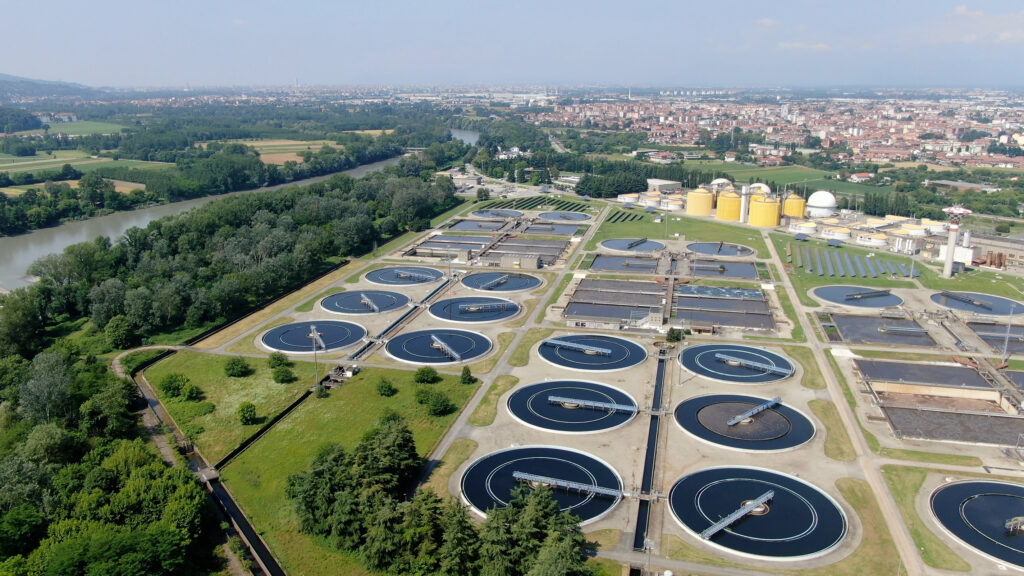
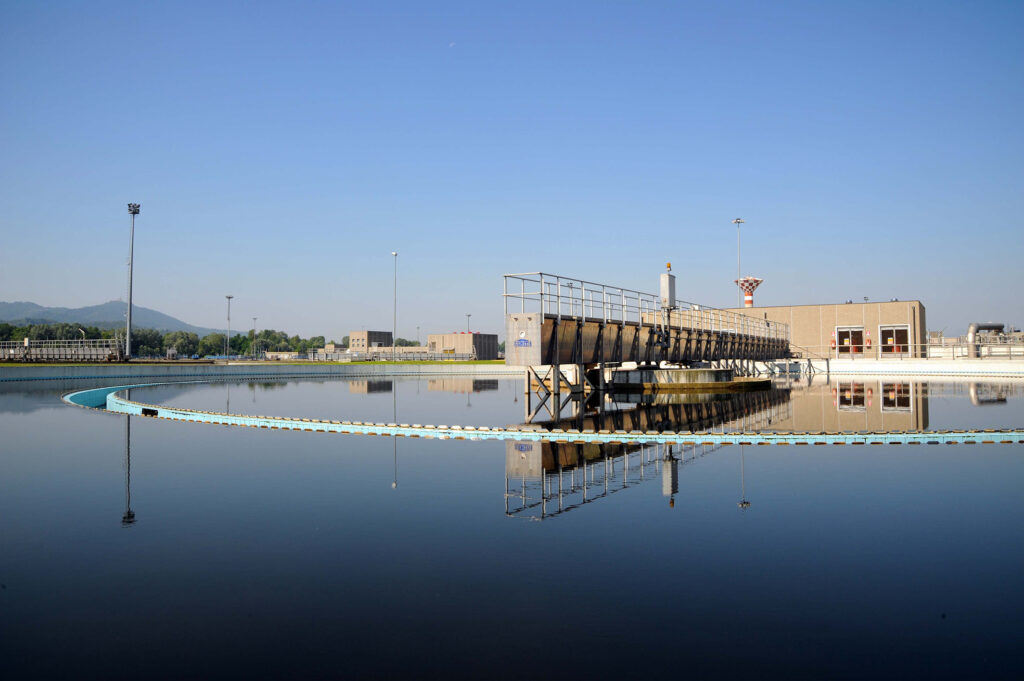
The AQUAMON platform will provide the technical capability to monitor the quantities and flows of pollutants from various sources by correlating multimodal information obtained from heterogeneous sensors, in remote or difficult-to-reach locations for humans, such as the sewage network. This will also allow the detection of illicit connections and parasite waters in the sewage network, by tracking changes in significant parameters. In particular, a DTS unit, an in-situ and/or portable IoT-enabled microbiological system, reagent-based LOC chemical sensors, as well as impedance-based micro-plastic sensors, for bacterial, iron, nitrate, phosphate and particle analysis, will be installed at relevant locations of the sewage network and exploited to support the identification of pollution sources. The USV robot will be used in the settling tanks of SMAT’s main wastewater treatment plant, in order to perform bathymetry measurements of the sludge level and thus to optimize the efficiency of the treatment process and guarantee the quality of treated waters. At the outlet of the treatment plant, where treated water is released into the river, in-situ IoT-enabled microbiological system for bacterial quantification and LOC sensor for iron, nitrate, phosphate, ammonium, organic and toxic metal pollutants will be installed. This will support WWTP managers in assuring the respect of limits for critical parameters and enable prompt corrective measures to be applied to the treatment process, in case those limits are exceeded. A risk assessment tool for treated wastewater reuse will be developed and applied to the WWTP.