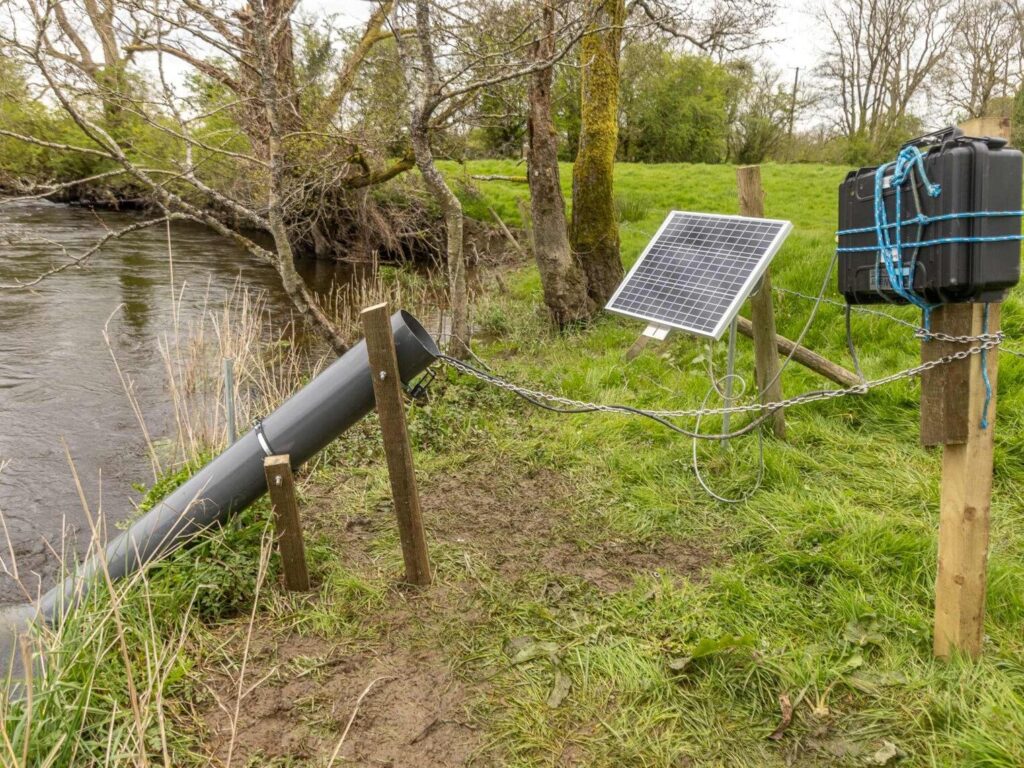
AQUAMON introduces a new generation of smart sensors designed to measure the full spectrum of pollutants across the urban water cycle. These technologies deliver real-time, high-frequency data directly from the field, allowing rapid detection of contamination before it spreads and providing water operators with a much more detailed picture of changing environmental conditions. By moving beyond periodic sampling, the system supports earlier identification of abnormal events and faster responses to emerging water-quality risks.
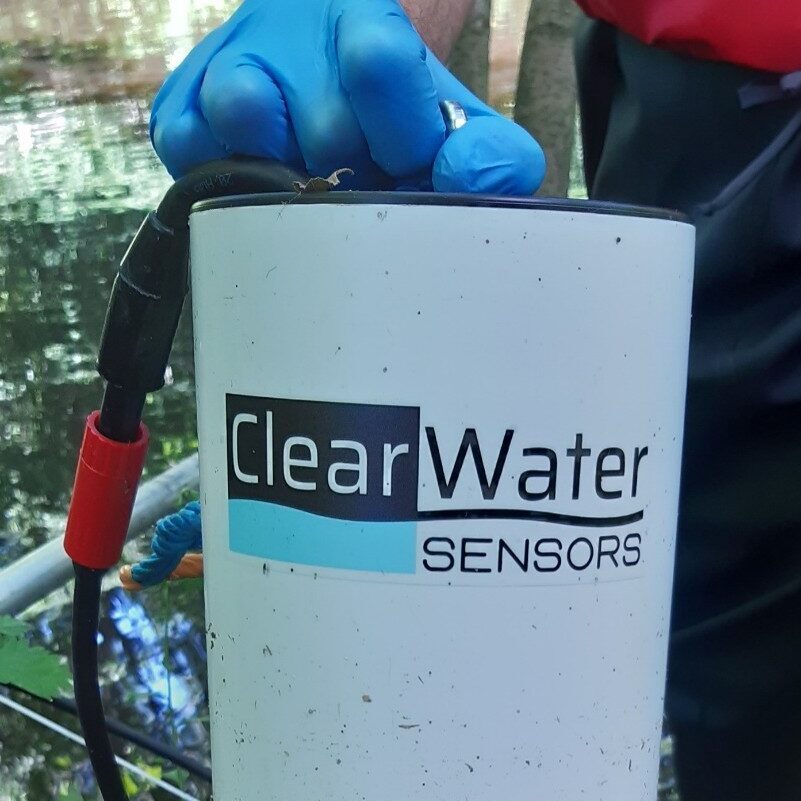
The system includes miniaturised lab-on-chip devices that analyse nutrients, metals, emerging contaminants such as PFAS, pharmaceuticals, and key indicators like chlorine and dissolved organic carbon. These compact analytical platforms make it possible to perform measurements close to the source, reducing delays associated with laboratory testing and increasing the frequency of observations. Their distributed deployment across the water cycle also enables the detection of short-lived pollution peaks that conventional monitoring campaigns may miss.
For microbiological safety, AQUAMON deploys IoT-enabled analysers capable of quantifying E. coli, Enterococci and other microorganisms within minutes—far faster and more accurately than traditional lab-based methods. This rapid detection is particularly important during contamination events, treatment failures or sewer overflows, where delays in identifying microbial risks can limit the effectiveness of operational responses. Because the analysers are connected through IoT infrastructure, results can be transmitted directly into the wider AQUAMON monitoring and decision-support system.
Additional innovations include microplastic detection through impedance analysis, providing a faster and more automated way to identify plastic particles in water. AQUAMON also applies machine-learning-enhanced UV spectroscopy for complex pollution events such as stormwater overflows. By combining spectral measurements with data-driven interpretation, the system can better distinguish changes in water composition and identify pollution signatures that may be difficult to recognise using conventional threshold-based approaches.
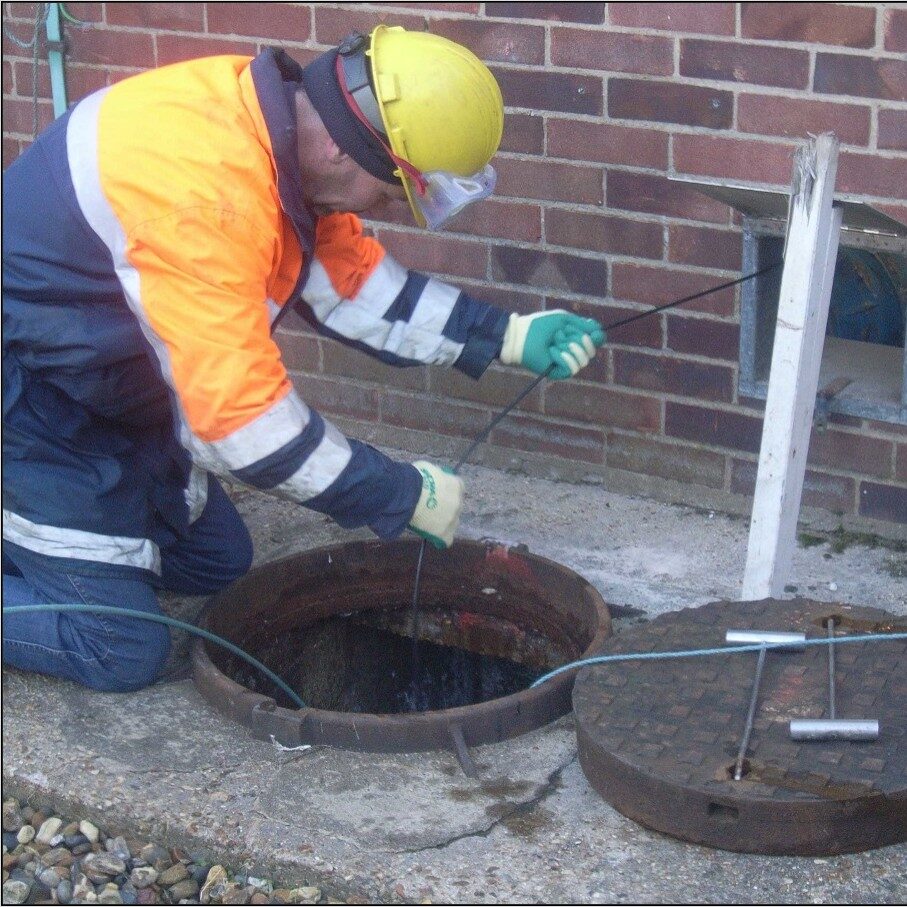
The project further uses fibre-optic temperature sensing to identify hidden sewer connections, leakages or other infrastructure anomalies. Continuous temperature measurements along sewer networks can reveal unusual thermal patterns associated with unexpected inflows or discharges, helping operators locate problems that would otherwise be difficult to detect. This physical monitoring complements the project’s chemical and microbiological sensing capabilities.
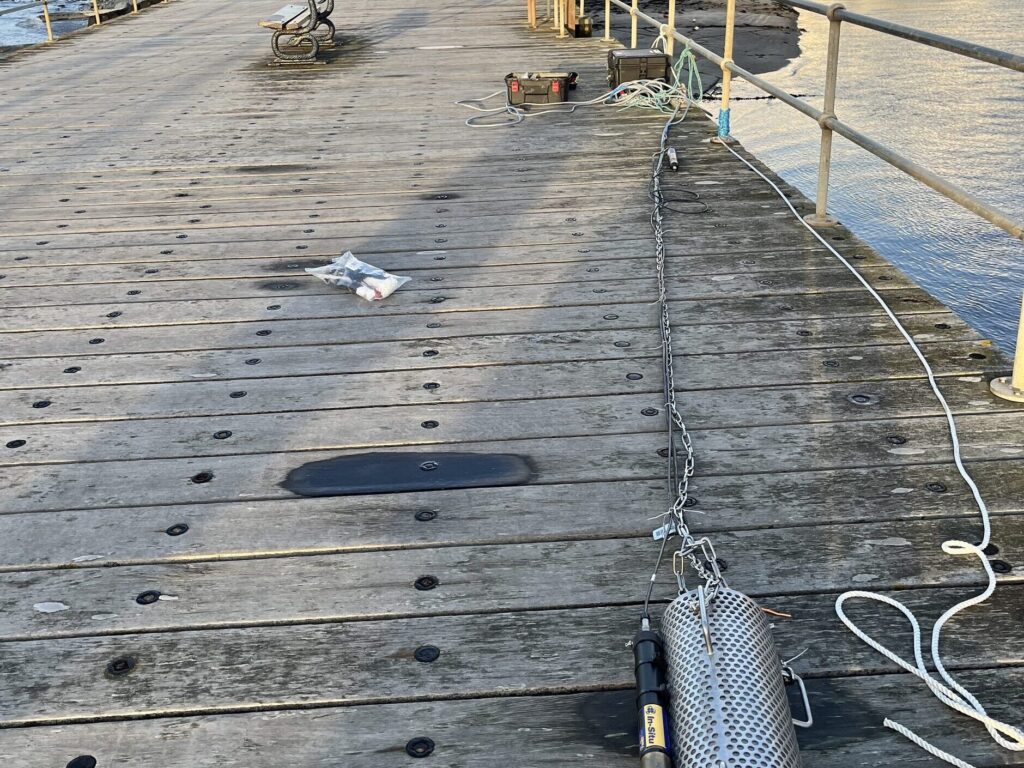
Together, these sensing solutions form a dense monitoring network that captures chemical, biological and physical data at unprecedented resolution. By combining multiple sensor types, AQUAMON can monitor both gradual changes and sudden pollution events across different parts of the urban water system. This integrated approach provides a richer and more continuous understanding of how contaminants appear, move and evolve over time.
The resulting continuous data stream forms the foundation for all predictive analytics and decision-making across the project. It supports anomaly detection, early warning, pollution source identification and more targeted operational responses. In this way, AQUAMON transforms water-quality monitoring from a largely periodic and reactive process into a more continuous, connected and proactive system, giving operators and authorities the information needed to respond earlier and manage urban water pollution more effectively.