AQUAMON significantly expands monitoring capabilities by integrating autonomous robotics that operate on water surfaces, underwater environments, and in the air. These robotic platforms extend the reach of conventional monitoring systems and make it possible to collect high-quality data in locations that are difficult, dangerous, or costly to access manually. By combining mobility with advanced sensing technologies, the robotic systems can investigate pollution events more rapidly, cover larger areas, and provide detailed information from locations where fixed sensors alone would offer only limited insight.
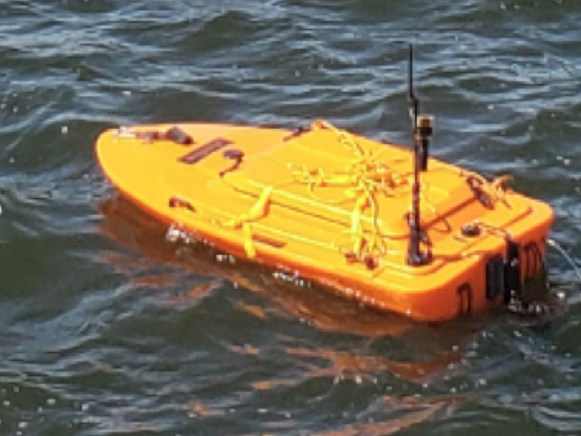
Unmanned surface vessels (USVs) conduct rapid bathymetric surveys, sub-surface profiling, and automated water sampling, supporting detailed mapping of aquatic environments and real-time observation of changing water conditions. They can follow pollution plumes, identify spatial variations in water quality, and monitor treatment processes or receiving waters with much greater flexibility than traditional manual surveys. Their ability to operate autonomously also enables repeated measurements along predefined routes, helping build a more complete picture of how contamination evolves over time and space.
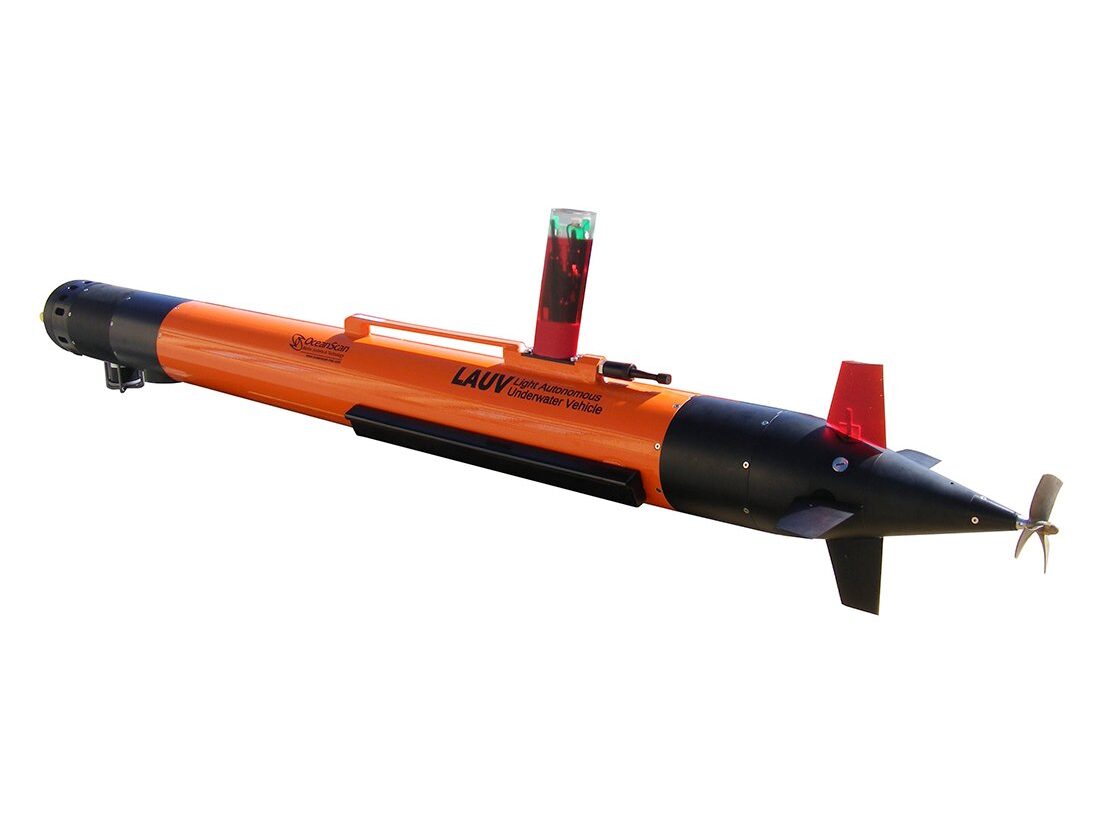
Autonomous underwater vehicles (AUVs) complement these surface systems by providing access to submerged environments that are difficult to inspect directly. Equipped with advanced hovering and inspection capabilities, they can examine underwater structures, identify contamination hotspots, and collect detailed information close to critical infrastructure. By blending features associated with both autonomous and remotely operated systems, these vehicles combine independent navigation with precise inspection capabilities, supporting detailed assessment of submerged assets and water-quality conditions.
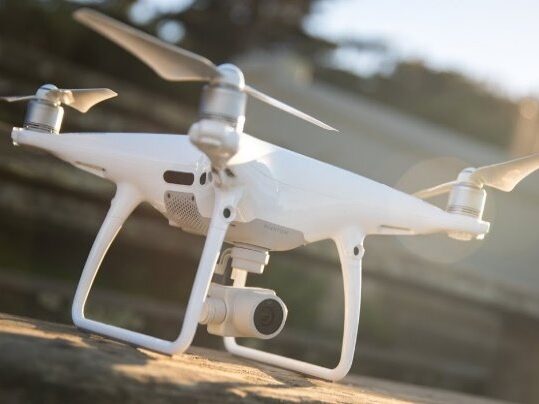
From above, unmanned aerial vehicles (UAVs) equipped with multi-spectral and hyperspectral imaging provide broad spatial coverage and rapid visual assessment of large areas. These aerial platforms can help detect surface pollution, track runoff dynamics, identify changes in water colour or vegetation, and monitor indicators of ecosystem health. Their ability to survey extensive areas quickly makes them particularly useful during dynamic events such as heavy rainfall, accidental discharges or rapidly spreading surface contamination.
The different robotic platforms are designed to operate as part of a coordinated monitoring ecosystem rather than as isolated devices. A shared control system manages their deployment and ensures that robotic units work together efficiently, optimising path planning, maximising coverage of target areas, and adapting missions to changing environmental conditions. This coordination allows surface, underwater and aerial observations to complement one another and helps avoid unnecessary duplication of measurements. This robotic ecosystem dramatically improves both the spatial and temporal resolution of monitoring across rivers, lakes, coastal zones, sewer networks and treatment facilities. Mobile platforms can be deployed rapidly, redirected as conditions change, and used repeatedly to monitor the development of pollution events. This flexibility enables AQUAMON to move beyond static observation toward a more adaptive monitoring approach, in which sensing resources can respond dynamically to emerging risks.